
Understanding Product Liability Claims for Duodenoscope Injuries in Texas

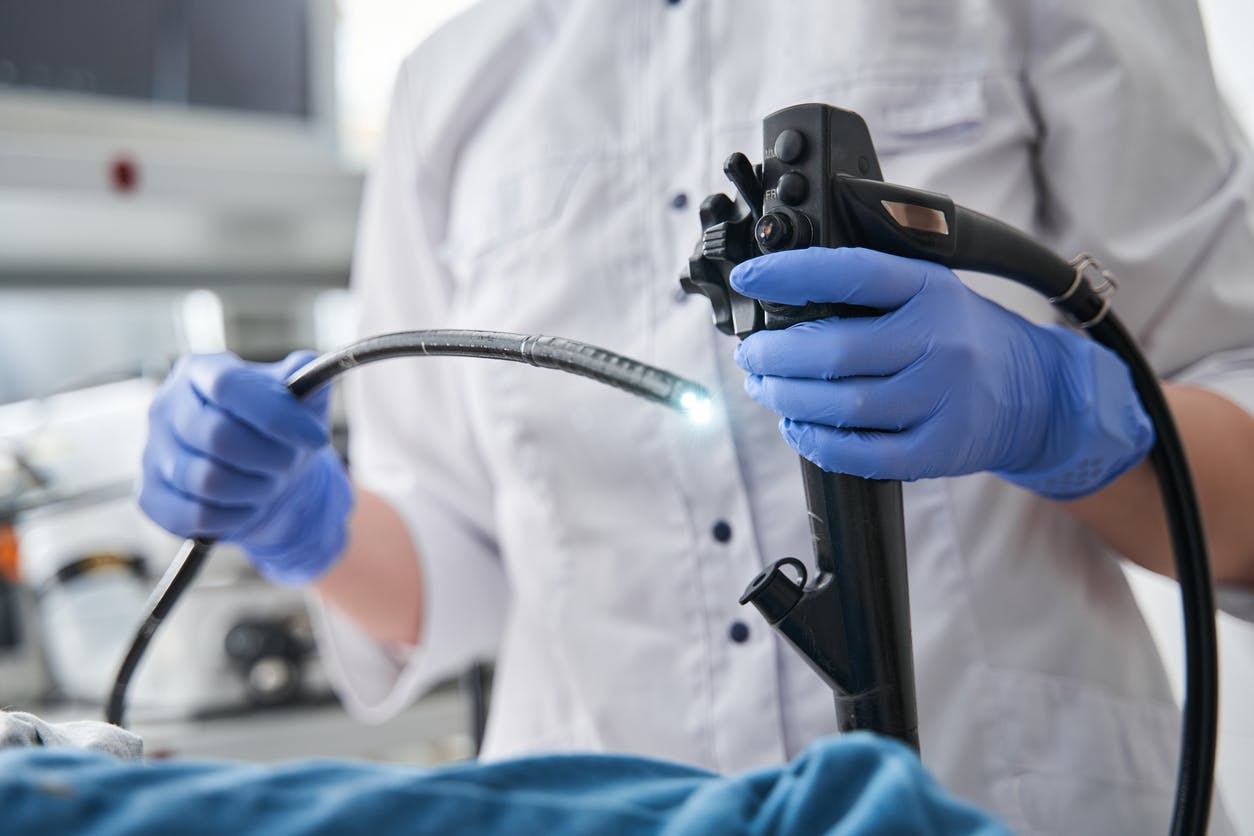
According to the U.S. Food and Drug Administration (FDA), duodenoscopes have been linked to patient infections because their complex design can make them difficult to clean and disinfect adequately between procedures. During an Endoscopic Retrograde Cholangiopancreatography (ERCP) procedure, contaminated devices may expose patients to serious infections, including antibiotic-resistant bacteria and life-threatening sepsis.

Under Texas product liability law, manufacturers have a duty to design products safely and to provide adequate warnings of known risks. When a defective medical device causes injury, infection, or death, injured patients and their families may be entitled to pursue compensation from the responsible parties.

There Are Thousands Of Injury Law Firms. There Is Only One Perdue & Kidd.

Olympus infection cases involve complex medical evidence, corporate records, infectious disease experts, biomedical engineers, and sophisticated product liability litigation. These are not cases for a settlement mill.

Perdue & Kidd has built a national reputation handling catastrophic injury, medical malpractice, and dangerous product cases. Our attorneys have obtained multiple eight-figure verdicts and have successfully litigated against some of the largest corporations in the world.
When major companies put profits ahead of patient safety, we believe they should be held accountable.


Logo media

Statistics on Olympus Duodenoscope Infections

  • More than 500,000 ERCP procedures are performed annually in the United States using duodenoscopes (FDA)
  • Multiple hospital outbreaks involved carbapenem-resistant Enterobacteriaceae (CRE), a highly dangerous antibiotic-resistant bacteria
  • Outbreak investigations at major medical centers prompted nationwide FDA safety communications regarding Olympus and similar duodenoscope devices
  • The CDC identified outbreaks involving multidrug-resistant organisms associated with contaminated duodenoscopes used during ERCP procedures (CDC)
Banner media

What Is the Olympus Duodenoscope Lawsuit About?

The Olympus duodenoscope lawsuit involves allegations that certain Olympus duodenoscopes were associated with the transmission of serious bacterial infections during Endoscopic Retrograde Cholangiopancreatography (ERCP) procedures.

ERCP is a specialized procedure used to diagnose and treat conditions affecting the:

  • Pancreas
  • Bile ducts
  • Gallbladder
  • Liver

Certain Olympus duodenoscope models feature complex designs that make them difficult to adequately clean and disinfect between procedures. Federal regulators identified concerns involving the devices' elevator mechanism—a movable component located at the tip of the duodenoscope that helps physicians guide medical instruments during ERCP procedures.

Plaintiffs commonly allege that Olympus:

  • Designed duodenoscopes that were difficult or impossible to disinfect adequately
  • Failed to warn hospitals and physicians about known infection risks adequately
  • Failed to address safety concerns after reports of patient infections promptly
  • Continued marketing devices despite evidence of contamination risks
  • Did not provide sufficient instructions to prevent transmission of dangerous bacteria

According to the FDA, the complex design of some duodenoscopes may impede effective cleaning and disinfection, and published reports indicate that certain devices remained contaminated despite being reprocessed according to manufacturer instructions.

Sources: FDA – Infections Associated with Reprocessed Duodenoscopes | CDC – Carbapenem-resistant Enterobacterales (CRE)

A man laying in hospital bed in pain

Types of Olympus Scope Claims

  • Duodenoscope Infection Claims: The most common litigation involving ERCP procedures.
  • Endoscope Infection Claims: Claims involving other reusable Olympus endoscopic devices.
  • CRE Infection Claims: Cases involving carbapenem-resistant Enterobacteriaceae.
  • Sepsis Claims: Infections progressing to systemic illness and organ damage.
  • Wrongful Death Claims: Cases involving fatal infections following scope procedures.

Infections Linked to Olympus Duodenoscopes

As a result, patients allegedly developed serious infections after exposure to bacteria left behind from previous procedures, including infections caused by antibiotic-resistant organisms.

Reported complications have included:

  • Carbapenem-resistant Enterobacterales (CRE) infections
  • E. coli infections
  • Bloodstream infections
  • Sepsis
  • Organ damage
  • Prolonged hospitalization
  • Wrongful death
Logo media

Federal Investigations and Enforcement Actions

  • Concerns about Olympus duodenoscopes eventually led to significant federal scrutiny
  • In 2018, Olympus Medical Systems Corporation pleaded guilty to federal charges involving the distribution of misbranded medical devices after failing to submit certain required adverse event reports concerning infection-related problems associated with its duodenoscopes
  • The company agreed to pay approximately $85 million in criminal penalties and forfeitures
Banner media
Perdue and Kidd working in the office

Who Can Be Held Liable?

  • Olympus Medical Systems
  • Olympus Corporation
  • Device manufacturers
  • Component manufacturers
  • Hospitals
  • Healthcare systems
  • Medical facilities
  • Third-party sterilization contractors
  • Other entities involved in device maintenance or reprocessing

Who May Qualify for an Olympus Duodenoscope Lawsuit?

You may have a claim if you:

  • Underwent an ERCP procedure involving an Olympus duodenoscope
  • Developed a serious infection following the procedure
  • Were diagnosed with CRE, sepsis, E. coli, or another bacterial infection after treatment
  • Required hospitalization or additional medical treatment because of the infection
  • Lost a loved one due to complications related to a duodenoscope-associated infection

Victims may be entitled to pursue compensation for medical expenses, lost income, pain and suffering, permanent disability, wrongful death damages, and other losses depending on the circumstances of their case.

Logo media

Why You Should Hire a Lawyer for an Olympus Infection Claim

Olympus litigation often involves:

  • Complex product liability law
  • Medical device regulations
  • FDA safety communications
  • Corporate records
  • Infection tracing
  • Expert medical testimony
  • Multiple potentially liable parties

Manufacturers frequently argue that hospitals are responsible for cleaning and reprocessing devices. Hospitals may argue that the device design itself made adequate cleaning impossible. Perdue & Kidd understands how to investigate both sides of that equation and identify where the breakdown occurred.

What to Do If You Were Injured After an Olympus Scope Procedure

1. Seek Immediate Medical Treatment

Infections can become life-threatening if left untreated.

2. Preserve Medical Records

Keep:

  • Procedure records
  • Hospital records
  • Infection diagnoses
  • Laboratory reports
  • Antibiotic treatment records

3. Document Symptoms

Maintain a timeline of:

  • Fever
  • Chills
  • Hospital admissions
  • Medical complications
  • Follow-up procedures

4. Contact Perdue & Kidd

Olympus duodenoscope lawsuits involve complex medical evidence, product liability law, federal regulatory findings, and extensive corporate records. Perdue & Kidd has a proven history of holding major medical device manufacturers accountable and securing substantial recoveries for victims harmed by dangerous products.

Our record includes:

  • $40 million trucking verdict
  • $26.75 million defective medical device verdict
  • Multiple eight-figure catastrophic injury recoveries
  • Nationally recognized trial attorneys
  • Board-certified trial lawyers
  • More than 100 years of combined litigation experience

Our attorneys can investigate whether an Olympus duodenoscope was used during your procedure, review your medical records, consult with qualified experts, and determine whether you may have a viable claim.

If a defective medical device caused your infection, injury, or the loss of a loved one, we are prepared to fight for the accountability and compensation you deserve.

Olympus Lawsuit FAQs

How Long Do I Have to File an Olympus Lawsuit in Texas?

Is Texas an At-Fault State?

What Is the Legal Process for an Olympus Infection Case?

How Much Does It Cost to Hire Perdue & Kidd?

How Long Do I Have to File an Olympus Lawsuit in Texas?

Texas generally imposes a two-year statute of limitations for personal injury claims under Texas Civil Practice & Remedies Code §16.003. Certain exceptions may apply, particularly where injuries are not immediately discovered.

Is Texas an At-Fault State?

Yes. Texas follows a modified comparative fault system. A claimant generally cannot recover damages if found more than 50% responsible for the injury.

What Is the Legal Process for an Olympus Infection Case?

Most cases involve:

  1. Investigation
  2. Medical record review
  3. Expert analysis
  4. Filing suit
  5. Discovery
  6. Negotiation or mediation
  7. Trial if necessary

How Much Does It Cost to Hire Perdue & Kidd?

Perdue & Kidd handles qualifying product liability cases on a contingency fee basis. You pay no attorney's fees unless we recover compensation for you.

Record. Reputation. Results.

When a medical device manufacturer places patients at risk, accountability matters. If you or someone you love developed a serious infection after an ERCP or endoscopic procedure involving an Olympus device, contact Perdue & Kidd for a free and confidential case evaluation. We will investigate the facts, uncover the evidence, and fight for the justice you deserve.

Legal Disclaimer: This page is provided for informational purposes only and does not constitute legal advice. Every case is unique. Prior results do not guarantee future outcomes. Reading this page does not create an attorney-client relationship. Consult an attorney regarding the specific facts and circumstances of your situation.

Record. Reputation. Results.Let Us Fight For You.

Contact Us
Contact us media
Accessibility: If you are vision-impaired or have some other impairment covered by the Americans with Disabilities Act or a similar law, and you wish to discuss potential accommodations related to using this website, please contact our Accessibility Manager at 713-520-2500.
Contact Us